
Breeder snapshot
Eli D Hostetler – Holmesville, OH is linked to 13 public inspection reports from USDA and Ohio.
Holmesville, Ohio
Eli D Hostetler – Holmesville, OH is linked to 13 public inspection reports from USDA and Ohio.
Inspection Dog Counts
Dogs countedInspection date
Eli D Hostetler – Holmesville, OH is linked to 13 public inspection reports, carrying 11 inspector findings, from May 2017 to March 2026.
Across 10 inspections between May 2017 and March 2026, inspectors recorded between 14 dogs and 88 dogs at Eli D Hostetler – Holmesville, OH. The most recent count was 51 dogs on March 19, 2026.
| Date | Licence | Type | Dogs counted | Inspector findings |
|---|---|---|---|---|
| May 4, 2017 | USDA 31-A-0653 | Pre-license inspection #1 | 14 dogs | None |
| March 2, 2018 | USDA 31-A-0653 | Routine inspection | 46 dogs | None |
| April 1, 2019 | USDA 31-A-0653 | Routine inspection | 53 dogs | None |
| March 4, 2021 | USDA 31-A-0653 | Routine inspection | 83 dogs | None |
| May 8, 2023 | USDA 31-A-0653 | Routine inspection | 81 dogs | 4 findings |
| June 13, 2023 | USDA 31-A-0653 | Attempted inspection | No access | None |
| June 26, 2023 | USDA 31-A-0653 | Routine inspection | 80 dogs | 4 findings |
| August 28, 2023 | USDA 31-A-0653 | Routine inspection | 40 dogs | 2 findings |
| September 28, 2023 | USDA 31-A-0653 | Routine inspection | 88 dogs | None |
| December 18, 2023 | USDA 31-A-0653 | Attempted inspection | No access | None |
| January 22, 2024 | USDA 31-A-0653 | Attempted inspection | No access | None |
| August 28, 2025 | Ohio CB0016XF | Routine inspection | 42 dogs | 1 finding |
| March 19, 2026 | Ohio CB0016XF | Routine inspection | 51 dogs | None |
81 dogs recorded (39 adults · 42 puppies).
A missing section of fiberglass wall board that is attached to an entrance door was observed. Seven dogs are in contact with the affected wall board located in outdoor housing. A chewed, roughened surface could harbor disease causing agents which affects the health and well-being of the dogs. The open area between the fiberglass and wood wall could serve as a collection area for dirt, hair, fecal waste, or other debris. Roughened surfaces cannot be readily cleaned and sanitized. All surfaces of housing facilities must be maintained on a regular basis. The licensee must ensure all surfaces are always maintained on a regular basis or be replaced when worn that cannot be readily cleaned and sanitized. Correct by 5/22/23.
There is a mixture of dirt, grease and other excreta accumulating on the interior wood wall in two outdoor sheltered structures and the interior fiberglass wall in one enclosure. Fifteen dogs are in contact with the affected surfaces located in outdoor housing. Three dogs are in contact with the affected surface located in sheltered housing. The affected area covers approximately 60 to 75 percent of the interior wall area. Licensee stated that the interior of the outdoor sheltered housing gets cleaned once a year in the spring. Cleaning of surfaces is necessary to prevent an accumulation of excreta and other disease hazards. This indicates an unsanitary living condition exists that could lead to potential disease or health risks. Surfaces which are not cleaned and sanitized properly increase the risk of disease hazards for the dogs. Cleanliness is important to the health and well-being of the animals. All surfaces of housing facilities must be cleaned and sanitized when necessary to satisfy generally accepted husbandry standards and practices. The licensee must ensure that hard surfaces with which the dogs come in contact must be spot cleaned daily and sanitized in accordance with 3.11 (B) of this sub part to prevent accumulation of excreta and reduce disease hazards. Correct by 5/10/23.
Three outdoor enclosures housing 20 dogs have no shade available for the dogs. Lack of adequate shade from the direct rays of the sun can be stressful causing discomfort creating a potential negative impact on the health and well- being of the dogs. In addition, dogs do not have the ability to regulate their internal temperature which could lead to the dogs becoming overheated. The licensee must ensure that shade is provided and be large enough to contain all the dogs at one time and protect them from the direct rays of the sun. Correct by 5/22/23.
There was no recorded date for annual rabies vaccination for 39 dogs. Licensee stated that all dogs are given rabies vaccination shots in the spring. Annual rabies vaccinations are important for the health of the animals. The licensee must ensure that all dogs are receiving vaccinations for contagious and/or deadly diseases of dogs (including rabies, parvovirus, and distemper) and sampling and treatment of parasites and other pests (including fleas, worms, coccidia, giardia, and heartworm) in accordance with a schedule approved by the attending veterinarian. Correct by 6/8/23.
80 dogs recorded (36 adults · 44 puppies).
The licensee does not have an adequate written contingency plan. The contingency plan did not address requirements including plans for all reasonably anticipated disasters or emergency scenarios, nor does it describe how the housing and care of the animals would be accomplished. An inadequate contingency plan can result in lack of readiness and a delay in response to care for animals during emergencies or disasters. Dealers must develop, document, and follow an appropriate plan to provide for the humane handling, treatment, transportation, housing, and care of their animals in the event of an emergency or disaster (one which could reasonably be anticipated and expected to be detrimental to the good health and well-being of the animals in their possession). A contingency plan includes emergency situations the licensee may experience, outlines specific tasks required to be carried out during emergencies such as detailed animal evacuation instructions or shelter-in-place instructions and provisions for providing backup sources of food and water as well as sanitation, ventilation, bedding, veterinary care, identify who will be responsible for fulfilling these tasks, and address how response and recovery will be handled in terms of materials, resources, and training needed. Ensure that an adequate written contingency plan is developed and followed in case of an emergency. Correct by 30-JULY-2023.
A primary enclosure contains carpet that is in disrepair with frayed edges. An enclosure housing an adult female dog with a litter has soiled carpet that is torn and damaged. Frayed edges can be injurious to the regulated animal as they could ingest the material or could cause entrapment. All surfaces must be maintained on a regular basis. Surfaces of housing facilities—including houses, dens, and other furniture-type fixtures and objects within the facility—that cannot be readily cleaned and sanitized, must be replaced when worn or soiled. The carpets must be maintained without frayed edges.
Enclosures are not being cleaned properly. In two outdoor enclosures housing 6 dogs each the walls of the inside of the sheltered structures are soiled with a buildup of brown material and in a third outdoor enclosure housing 3 dogs the walls of the sheltered structure are soiled with green and brown material. The buildup of material covers a significant portion of the sheltered structures. Inadequate and infrequent cleaning and sanitization allows for the growth of disease-causing agents that may increase the risk of health hazards towards the animals. Appropriate cleaning and sanitization of the surfaces must include removal of the buildup of brown and green material found and to prevent accumulation of this material. All surfaces of housing facilities must be cleaned and sanitized when necessary to satisfy generally accepted husbandry standards and practices. Correct by ensuring hard surfaces with which the dogs come into contact with are spot cleaned daily and sanitized in accordance with 3.11 (B) of this sub part to prevent accumulation of excreta and reduce disease hazards.
The licensee does not maintain complete medical records for adult dogs. The licensee states that aside from the recent Rabies vaccinations given to the adult dogs, they do not have records of any other vaccines and treatments they state they have administered or the dates of administration. Failure to maintain adequate medical records may interfere with the ability of APHIS officials to determine if the animals are receiving adequate veterinary care. Complete medical records must be maintained and include the names of all vaccines and treatments administered and the dates of administration. Correct by documenting all treatments given and ensure that medical records are complete and contain the required information. Correct by 3-JULY-2023.
40 dogs recorded (35 adults · 5 puppies).
A primary enclosure contains carpet that is in disrepair with frayed edges. An enclosure housing an adult female Golden Retriever has carpet with frayed edges. Frayed edges can be injurious to the regulated animal as they could ingest the material or it could cause entrapment. All surfaces must be maintained on a regular basis. Surfaces of housing facilities— including houses, dens, and other furniture-type fixtures and objects within the facility—that cannot be readily cleaned and sanitized, must be replaced when worn or soiled. The carpets must be maintained without frayed edges.
The licensee is not maintaining complete medical records for two adult dogs. Records indicate an adult female Golden Retriever (ID#6973) and an adult female Golden Retriever (ID#2943) were receiving treatments for heartworm disease. Treatments include Prednisone, Ivermectin, and Doxycycline. There are no records with the names of the treatments administered and the dates the treatments were given. Failure to maintain adequate medical records may interfere with the ability of APHIS officials to determine if the animals are receiving adequate veterinary care. Complete medical records must be maintained and include the names of all vaccines and treatments administered and the dates of administration. Correct by documenting all treatments given and ensure that medical records are complete and contain the required information.
42 dogs recorded (30 adults · 12 puppies).
Facility records were lacking documentation of corrective measures made under veterinary guidance. Licensee was able to correct this issue before inspection was complete. Corrected on: 8/28/2025
4 photographs taken by inspectors at Eli D Hostetler – Holmesville, OH and attached to their reports.
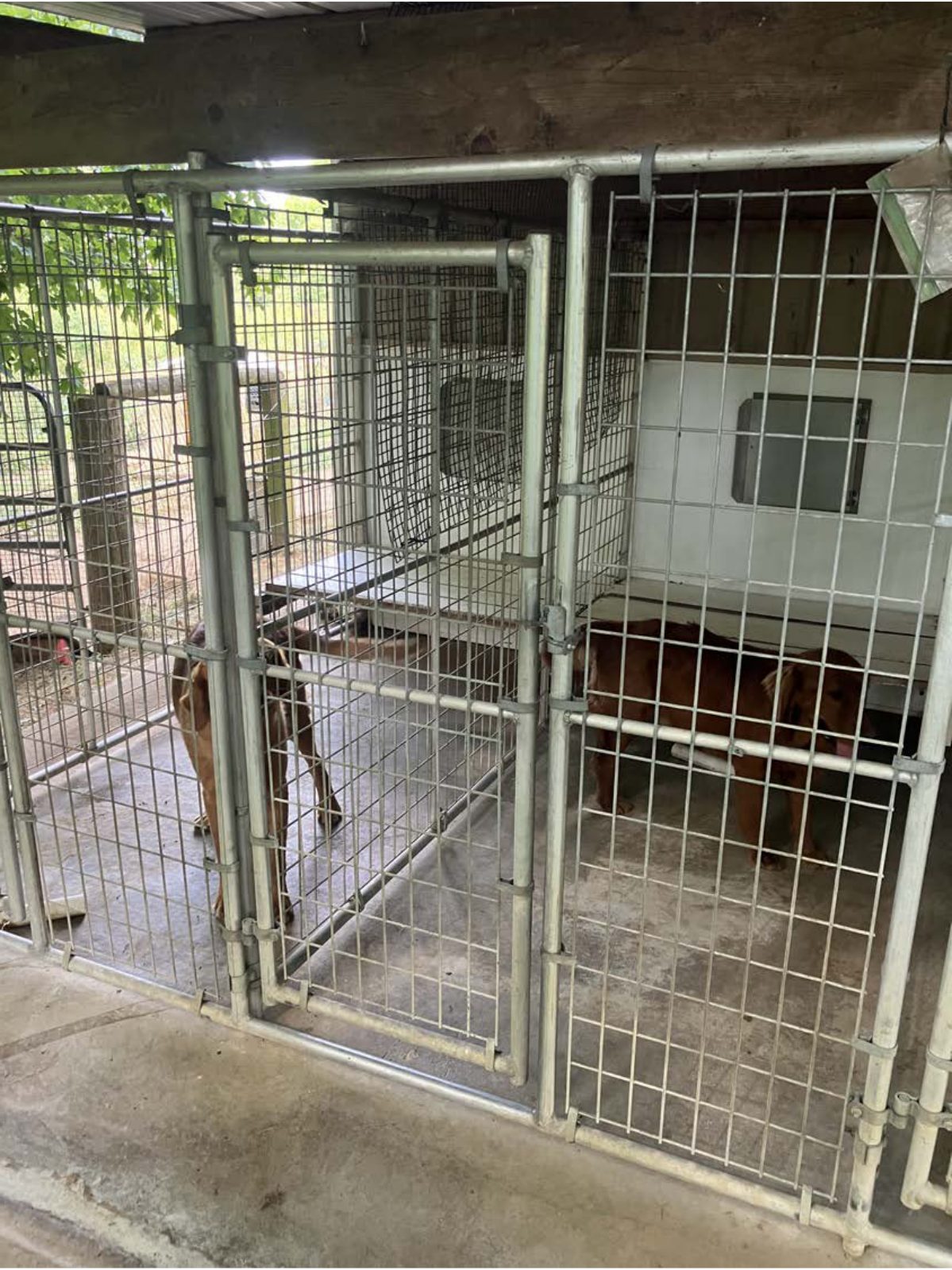
August 28, 2025 — Ohio inspection (report PDF)
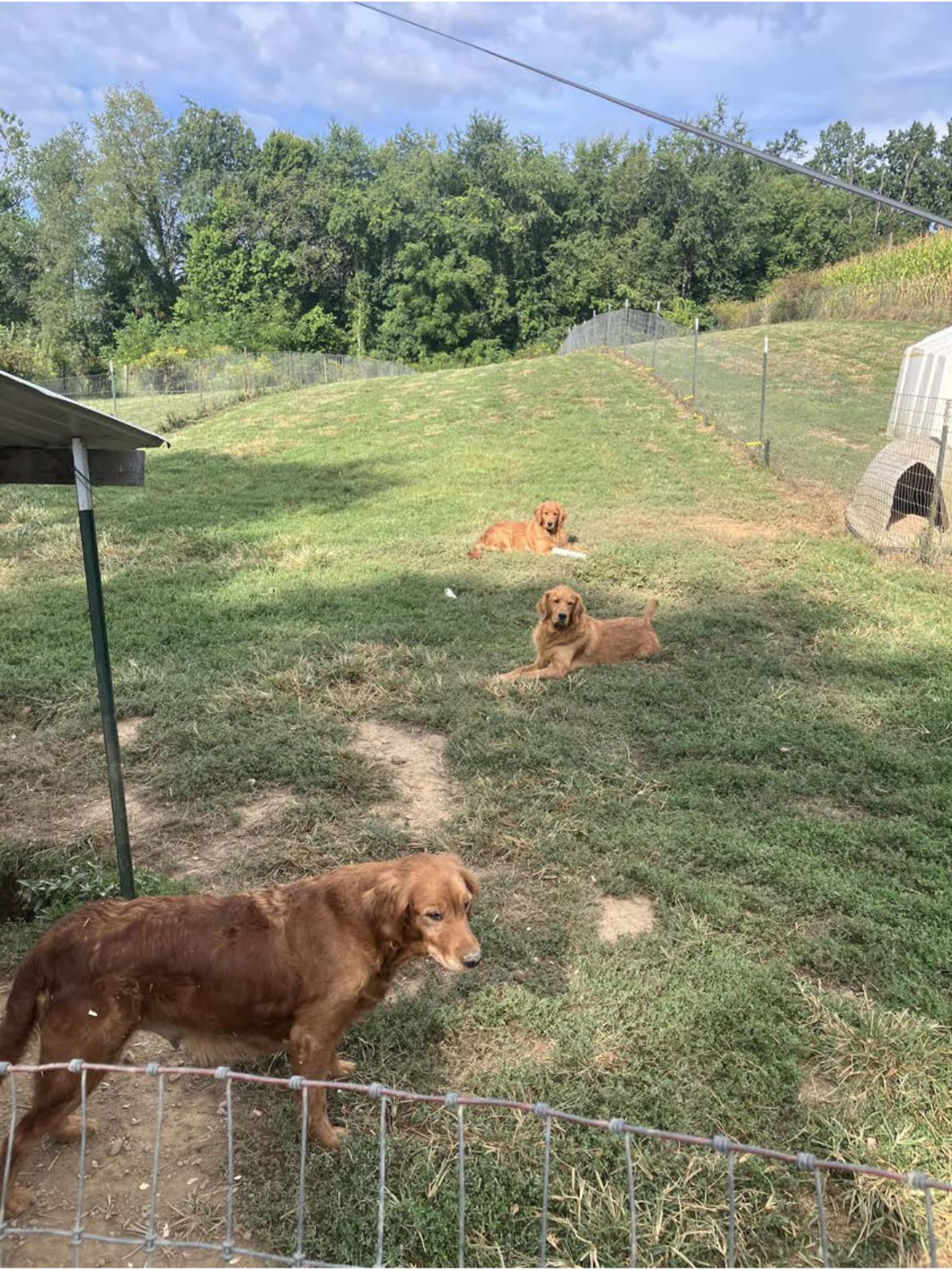
August 28, 2025 — Ohio inspection (report PDF)
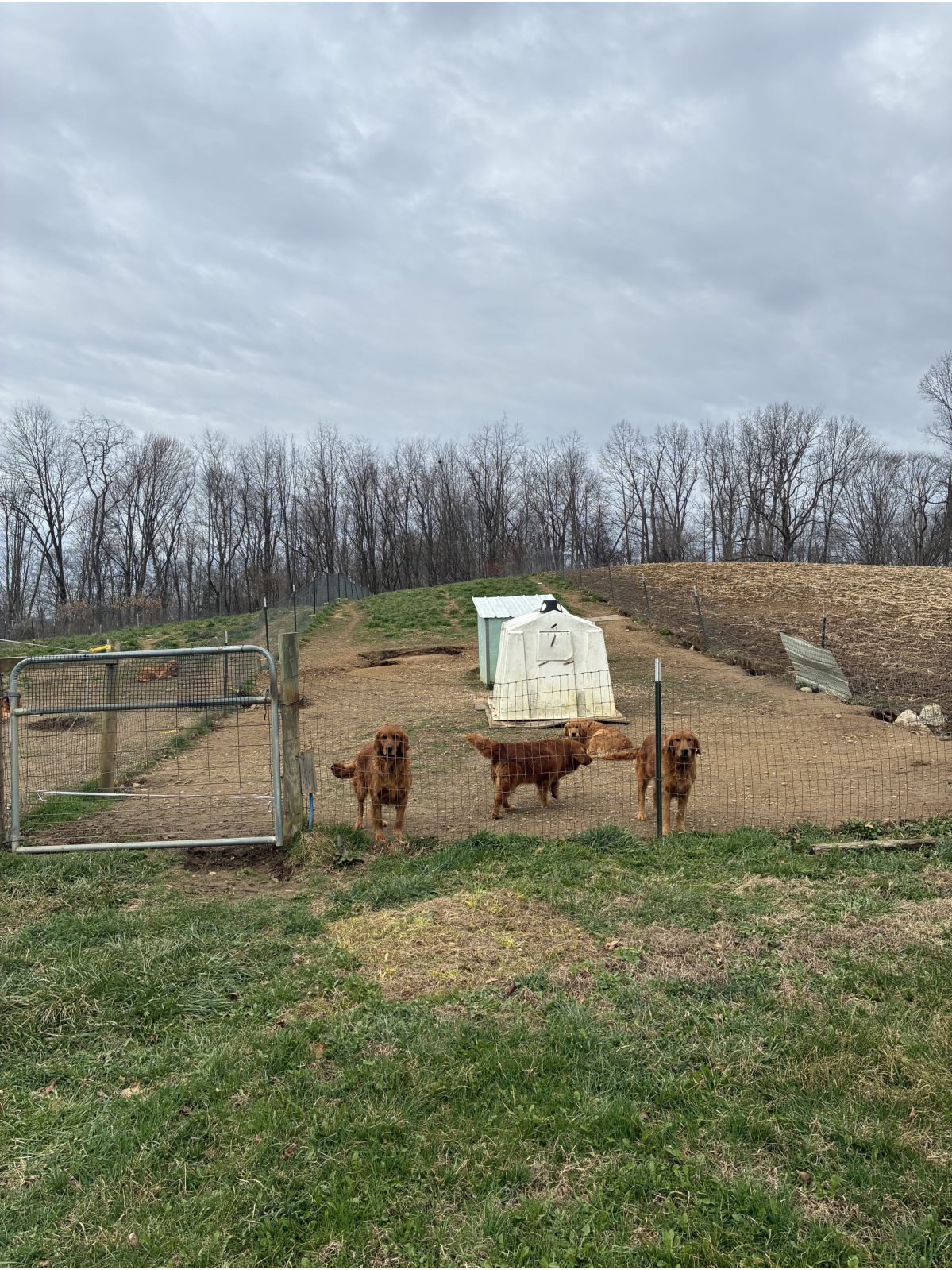
March 19, 2026 — Ohio inspection (report PDF)
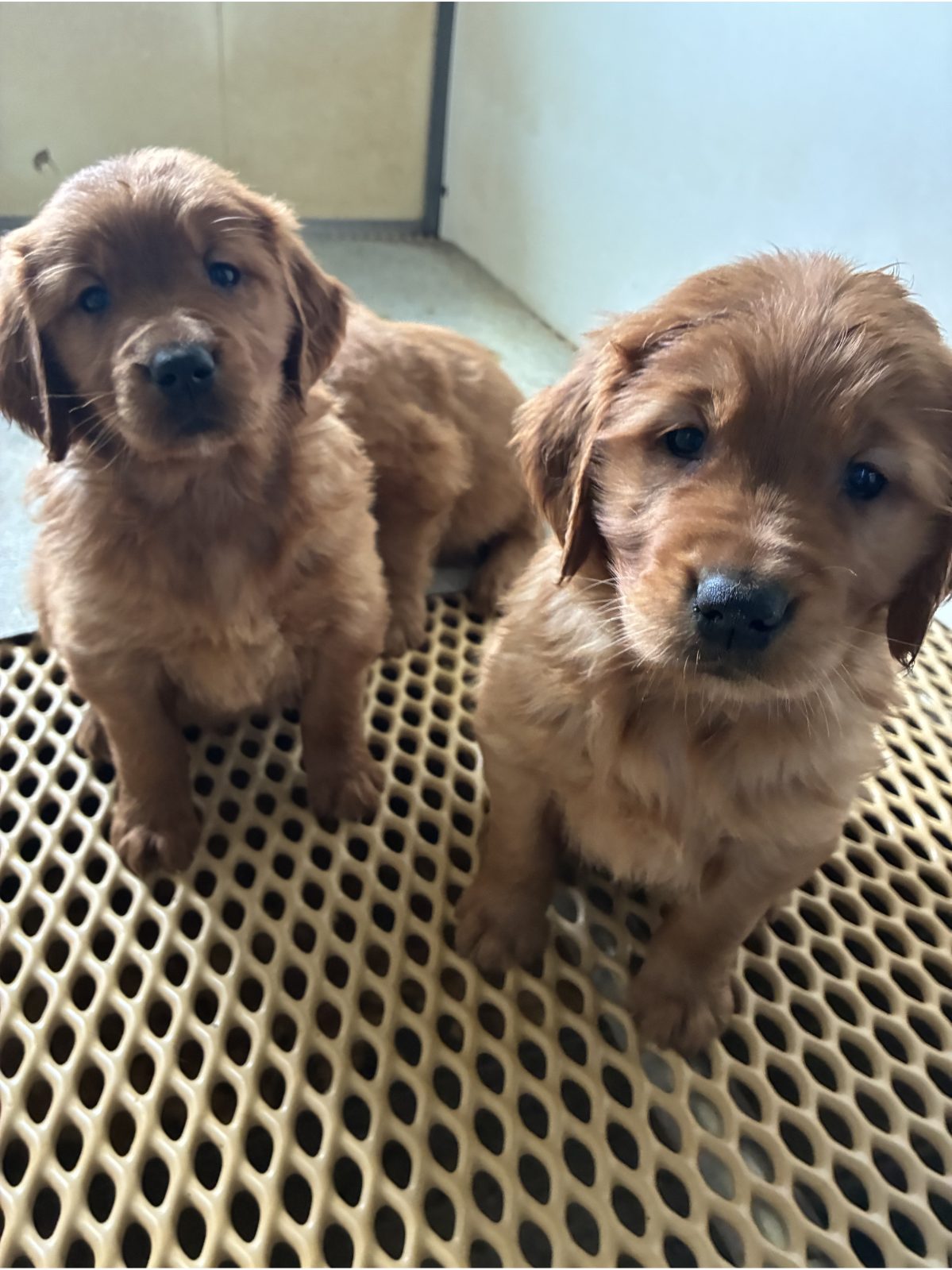
March 19, 2026 — Ohio inspection (report PDF)
Yes. Inspectors recorded 11 problems across 13 visits, 4 of them repeats of earlier ones. Each one is quoted in full above, in the inspector's own words.
At the most recent inspection on file, March 19, 2026, inspectors counted 51 dogs (26 adults · 25 puppies). The count is taken by the inspector on the day, so it moves with litters and sales.
The records name Golden Retriever. Breeds come from the inspection paperwork, so a kennel may keep others that were never written down.
This profile includes public USDA and Ohio inspection and licensing records. Notes describe conditions documented on the inspection dates shown.
If information is inaccurate or out of date, please let us know.
Submit a correctionWe collect and organize public records from government sources, including USDA APHIS and state departments of agriculture. We do not conduct our own inspections.
Learn how our data works →They summarize public licensing and inspection records from the agencies shown.
Records are updated as new public documents are collected and reviewed.
No. Pawthenticity organizes public records and does not provide endorsements.
Pawthenticity is a nonprofit organization. Your support helps us make public records more accessible.
Real records. Brighter tomorrows.