
Breeder snapshot
Mose A Miller – Maple View Kennel is linked to 13 public inspection reports from USDA and Ohio.
Baltic, Ohio
Mose A Miller – Maple View Kennel is linked to 13 public inspection reports from USDA and Ohio.
Inspection Dog Counts
Dogs countedInspection date
Mose A Miller – Maple View Kennel is linked to 13 public inspection reports, carrying 10 inspector findings, from January 2017 to December 2025.
Across 12 inspections between January 2017 and December 2025, inspectors recorded between 36 dogs and 84 dogs at Mose A Miller – Maple View Kennel. The most recent count was 50 dogs on December 11, 2025.
| Date | Licence | Type | Dogs counted | Inspector findings |
|---|---|---|---|---|
| January 30, 2017 | USDA 31-A-0636 | Pre-license inspection #1 | 38 dogs | None |
| October 13, 2017 | USDA 31-A-0636 | Routine inspection | 82 dogs | None |
| October 31, 2018 | USDA 31-A-0636 | Routine inspection | 84 dogs | None |
| January 22, 2020 | USDA 31-A-0636 | Routine inspection | 72 dogs | None |
| September 28, 2022 | USDA 31-A-0636 | Routine inspection | 36 dogs | 1 finding |
| April 25, 2023 | USDA 31-A-0636 | Routine inspection | 61 dogs | 4 findings |
| May 2, 2023 | USDA 31-A-0636 | Routine inspection | 65 dogs | 4 findings |
| May 16, 2023 | USDA 31-A-0636 | Attempted inspection | No access | None |
| May 31, 2023 | USDA 31-A-0636 | Routine inspection | 76 dogs | None |
| February 28, 2024 | USDA 31-A-0636 | Re-license inspection | 53 dogs | None |
| August 7, 2024 | USDA 31-A-0636 | Routine inspection | 40 dogs | None |
| June 25, 2025 | USDA 31-A-0636 | Routine inspection | 68 dogs | 1 finding |
| December 11, 2025 | Ohio CB0015YH | Routine inspection | 50 dogs | None |
36 dogs recorded (28 adults · 8 puppies).
The adult dogs have not been vaccinated for rabies and they have not been sampled for fecal parasites in accordance with a schedule approved by the Attending Veterinarian. Not having the adult dogs vaccinated against rabies and sampled for fecal parasites doesn't ensure they are protected against various diseases or parasites that could infect them. All adult dogs must be vaccinated against rabies and sampled for fecal parasites. Correct by 10/26/22.
61 dogs recorded (26 adults · 35 puppies).
No contingency plan was available for review for 26 dogs during the inspection. The contingency plan describes what will happen to the dogs if an emergency or natural disaster happens. It also lists all contact numbers that could assist the licensee when an emergency or natural disaster happens. The licensee must develop, document, and follow an appropriate plan to provide for the humane handling, treatment, transportation, housing, and care of their animals in the event of an emergency or disaster (one which could reasonably be anticipated and expected to be detrimental to the good health and well-being of the animals in their possession). Correct by 5/25/23.
There is a mixture of dirt, grease and other excreta accumulating on the interior fiberglass divider panel of four enclosures. Nine dogs are in contact with the affected surfaces located in sheltered housing. The affected area covers approximately 20 to 30 percent of the interior wall area. Cleaning of surfaces is necessary to prevent an accumulation of excreta and other disease hazards. This indicates an unsanitary living condition exists that could lead to potential disease or health risks. Surfaces which are not cleaned and sanitized properly increase the risk of disease hazards for the dogs. Cleanliness is important to the health and well-being of the animals. All surfaces of housing facilities must be cleaned and sanitized when necessary to satisfy generally accepted husbandry standards and practices. The licensee must ensure that hard surfaces with which the dogs come in contact must be spot cleaned daily and sanitized in accordance with 3.11 (B) of this sub part to prevent accumulation of excreta and reduce disease hazards. Correct by 4/27/23.
An accumulation of excreta and dried fecal residue was observed on six outside cement runs and four indoor cement runs in sheltered housing. An estimated 15 dogs and eight puppies are in contact with the affected surfaces. The affected area covers 60 to 100 percent of the available floor area. Cleaning of surfaces is necessary to prevent an accumulation of dirt, excreta, and other disease hazards. It indicates unsanitary living conditions exist that could increase the risks of disease transmission, which negatively affects the health of the dogs. Accumulations of excreta can potentially create odors, serve as an attractant for flies, insects, and other pests. The clean surface area available for the dog to walk on is reduced. Excreta could potentially cause soiling on the body of the dog being housed in the affected enclosure. The licensee must remove excreta and food waste from the primary enclosure daily and from under the primary enclosures as often as necessary to prevent an excessive accumulation of feces and food waste, to prevent soiling of the dogs contained in the primary enclosures, and to reduce disease hazards, insects, pests, and odors. Correct by 4/27/23.
There was no recorded date for annual fecal float testing for 26 dogs. Annual fecal float testing is important for the health of the animals. Fecal float testing is done to ensure that there are no active internal parasites. The licensee must ensure that all dogs are receiving vaccinations for contagious and/or deadly diseases of dogs (including rabies, parvovirus, and distemper) and sampling and treatment of parasites and other pests (including fleas, worms, coccidia, giardia, and heartworm) in accordance with a schedule approved by the attending veterinarian. Correct by 5/25/23.
65 dogs recorded (26 adults · 39 puppies).
A female Golden Retriever dog named “Micky” (Microchip #5168) has inflamed ears with discharge present. The left ear is noticeably inflamed when further inspected and the ear contains large amount of dark discharge. The ear canal cannot be seen or accessed due to the severe inflammation. In the ear canal there are scabs present and adjacent to the ear canal there is an area of reddened skin. The right ear is reddened and contains dark discharge and scabs are seen in the ear canal. The appearance of the ears is consistent with a chronic condition that has been occurring for an extended period of time. There is also evidence the animal has been scratching the area. The back side of both ears are also being affected by mild hair matting. The licensee was not aware of the condition of the ears and was not treating it.
A female Golden Doodle dog named “Tootsie” (Microchip #1412) has dark discharge in both ears. The ears are reddened and contain dark discharge with scabs in the ear canal. The ears also show evidence that the animal has been scratching the area. The licensee was not aware of the condition of the ears and was not treating it.
Inflamed ears with discharge can be a sign of infection and can cause pain and discomfort for the animal.
The facility does not have the names of treatments and the dates of administration recorded in the medical notes. One adult female Golden Retriever dog “Micky” (microchip number 5168) had a Cesarean section delivery performed by a licensed veterinarian on 30-January-2023 and post-operative medication was provided to the licensee to administer to the dog. The medications prescribed were Amoxicillin 500 mg capsules and one capsule was directed to be given by mouth twice daily, for 10 days. The other medication prescribed was chewable carprofen 100 mg and ½ tablet was directed to be administered to the dog by mouth, twice daily, for three days. The licensee did not record the treatments administered or the dates of administration for these treatments. Failure to record the names and dates for all treatments administered does not allow for APHIS officials to determine if adequate veterinary care has been provided for animals covered under the Animal Welfare Act. Additionally, Complete medical records ensure that all personnel at the facility are clear on the plan for treatment and enables the licensee to evaluate effectiveness of the plan and ensure that the condition is corrected. The licensee must ensure that the names of all vaccines and treatments administered and the dates of administration are recorded and maintained. Correct by 03-May-2023.
68 dogs recorded (27 adults · 41 puppies).
In the indoor section of the primary enclosure housing 2 adult dogs the back wall panel has a large area of excessive scratch and chew damage. The outer surface of the plastic paneling has been severely damaged by the dogs making the surface rough with jagged edges and exposing the hollow interior space of the paneling. Surfaces in disrepair from excessive chewing and scratching cannot be adequately cleaned and sanitized and may harbor inorganic matter or bacteria that can cause illness to the dogs. The plastic material could also potentially be swallowed by the dogs and be hazardous to their health and well-being. The facility must ensure that surfaces of housing facilities must be constructed in a manner and made of materials that allow them to be readily cleaned and sanitized, or removed or replaced when worn or soiled. Correct by 9 July 2025
2 photographs taken by inspectors at Mose A Miller – Maple View Kennel and attached to their reports.
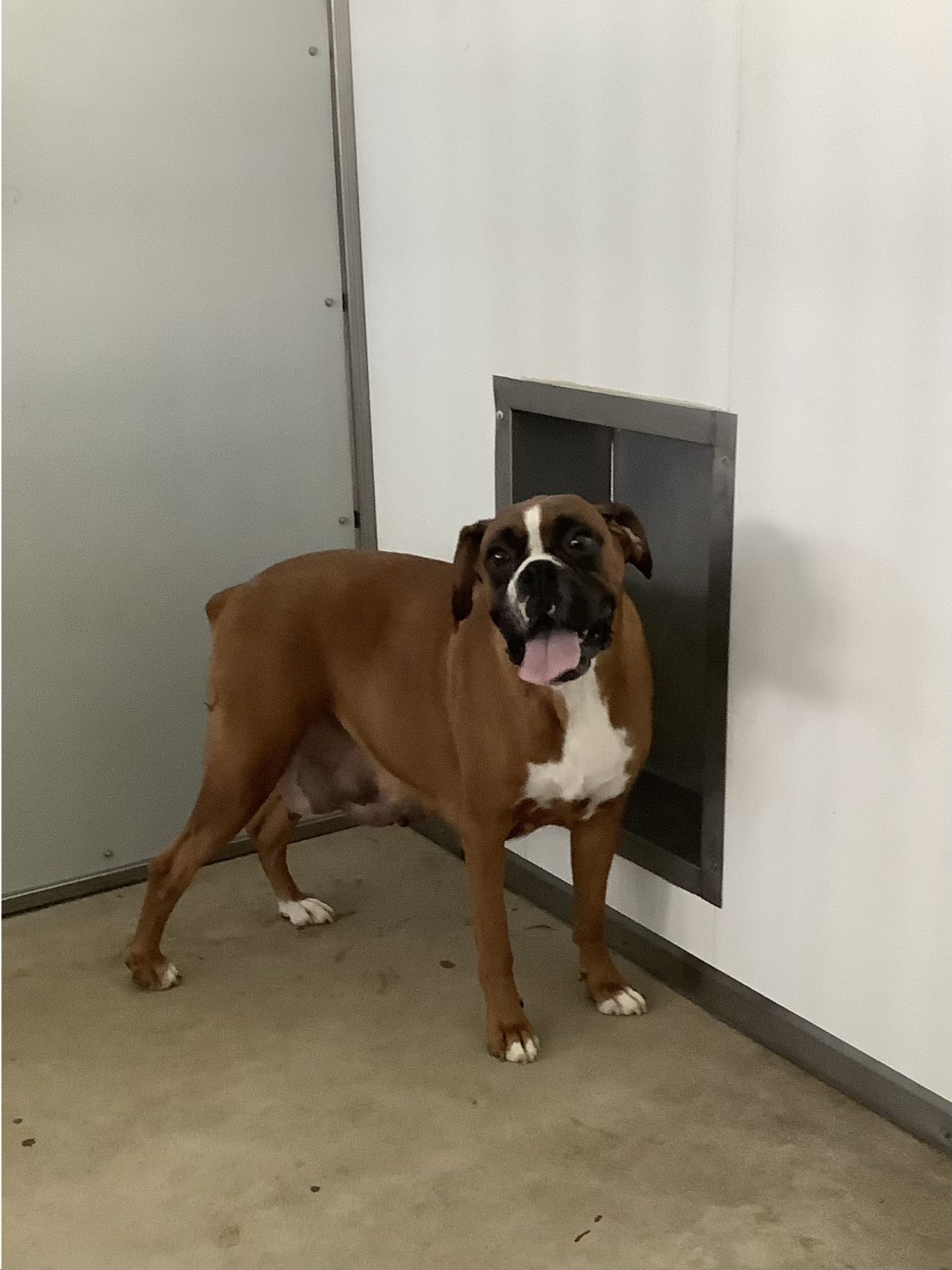
December 11, 2025 — Ohio inspection (report PDF)
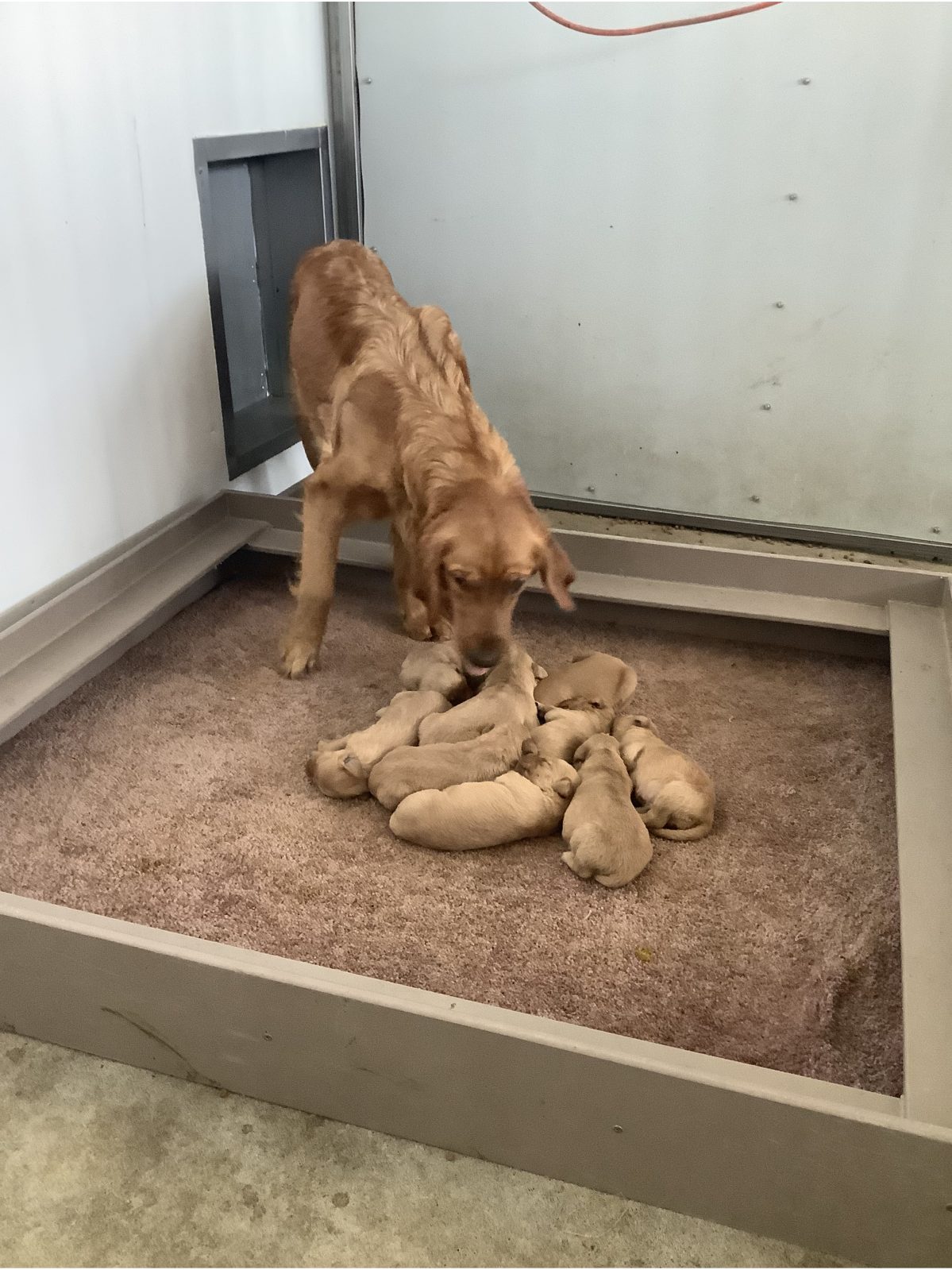
December 11, 2025 — Ohio inspection (report PDF)
Yes. Inspectors recorded 10 problems across 13 visits. Each one is quoted in full above, in the inspector's own words.
At the most recent inspection on file, December 11, 2025, inspectors counted 50 dogs (24 adults · 26 puppies). The count is taken by the inspector on the day, so it moves with litters and sales.
The records name Golden Retriever, Goldendoodle. Breeds come from the inspection paperwork, so a kennel may keep others that were never written down.
This profile includes public USDA and Ohio inspection and licensing records. Notes describe conditions documented on the inspection dates shown.
If information is inaccurate or out of date, please let us know.
Submit a correctionWe collect and organize public records from government sources, including USDA APHIS and state departments of agriculture. We do not conduct our own inspections.
Learn how our data works →They summarize public licensing and inspection records from the agencies shown.
Records are updated as new public documents are collected and reviewed.
No. Pawthenticity organizes public records and does not provide endorsements.
Pawthenticity is a nonprofit organization. Your support helps us make public records more accessible.
Real records. Brighter tomorrows.