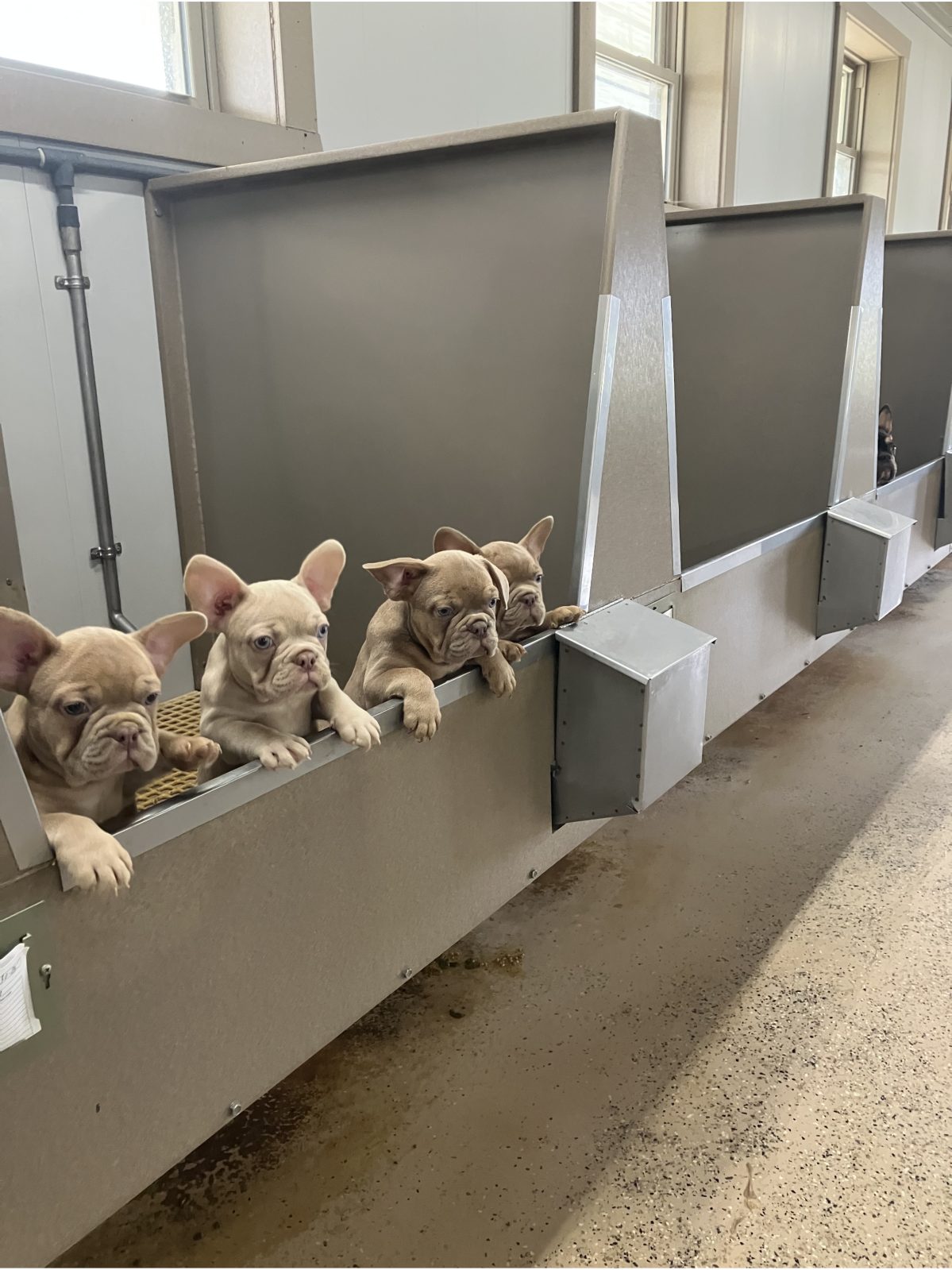
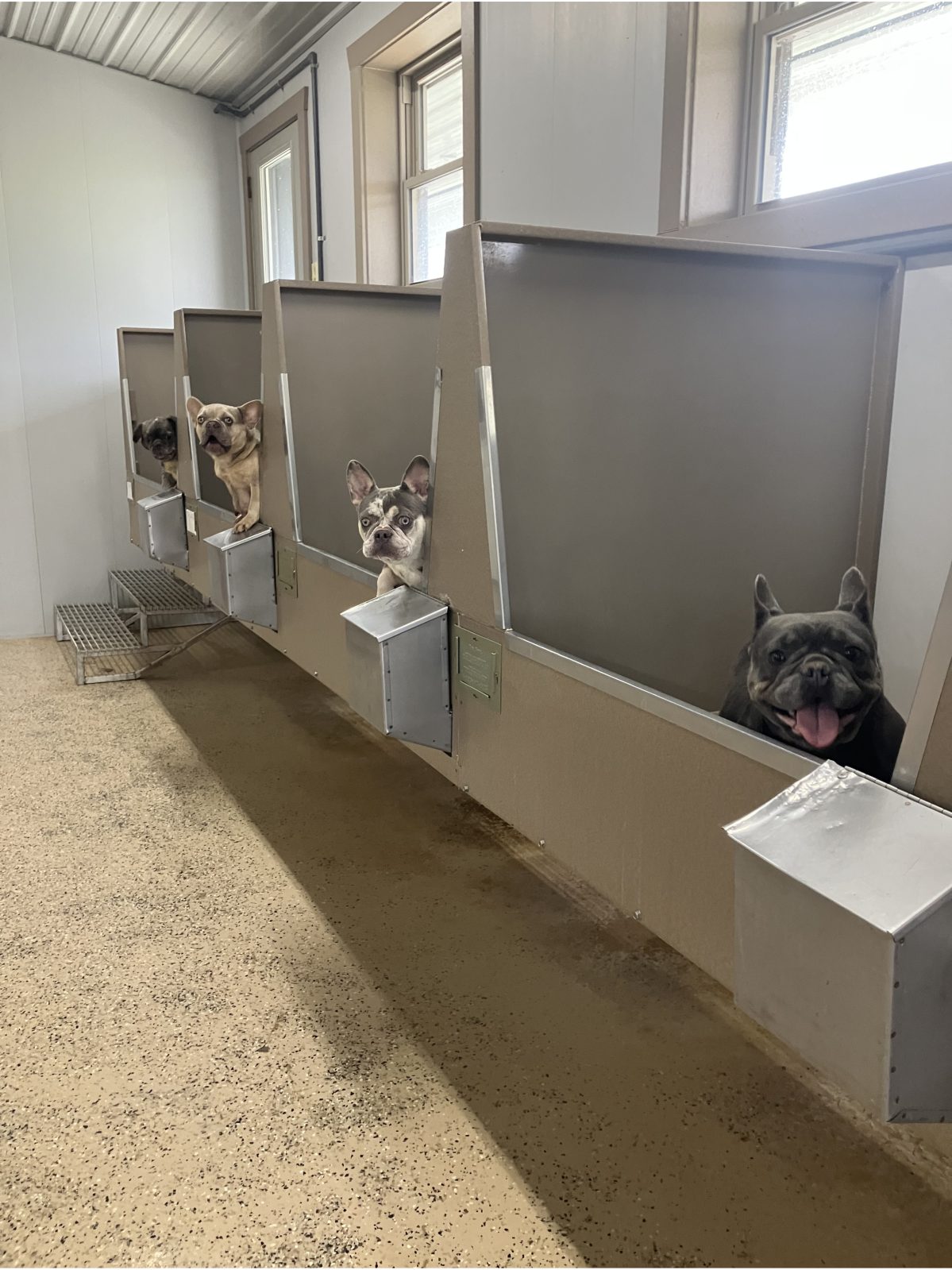
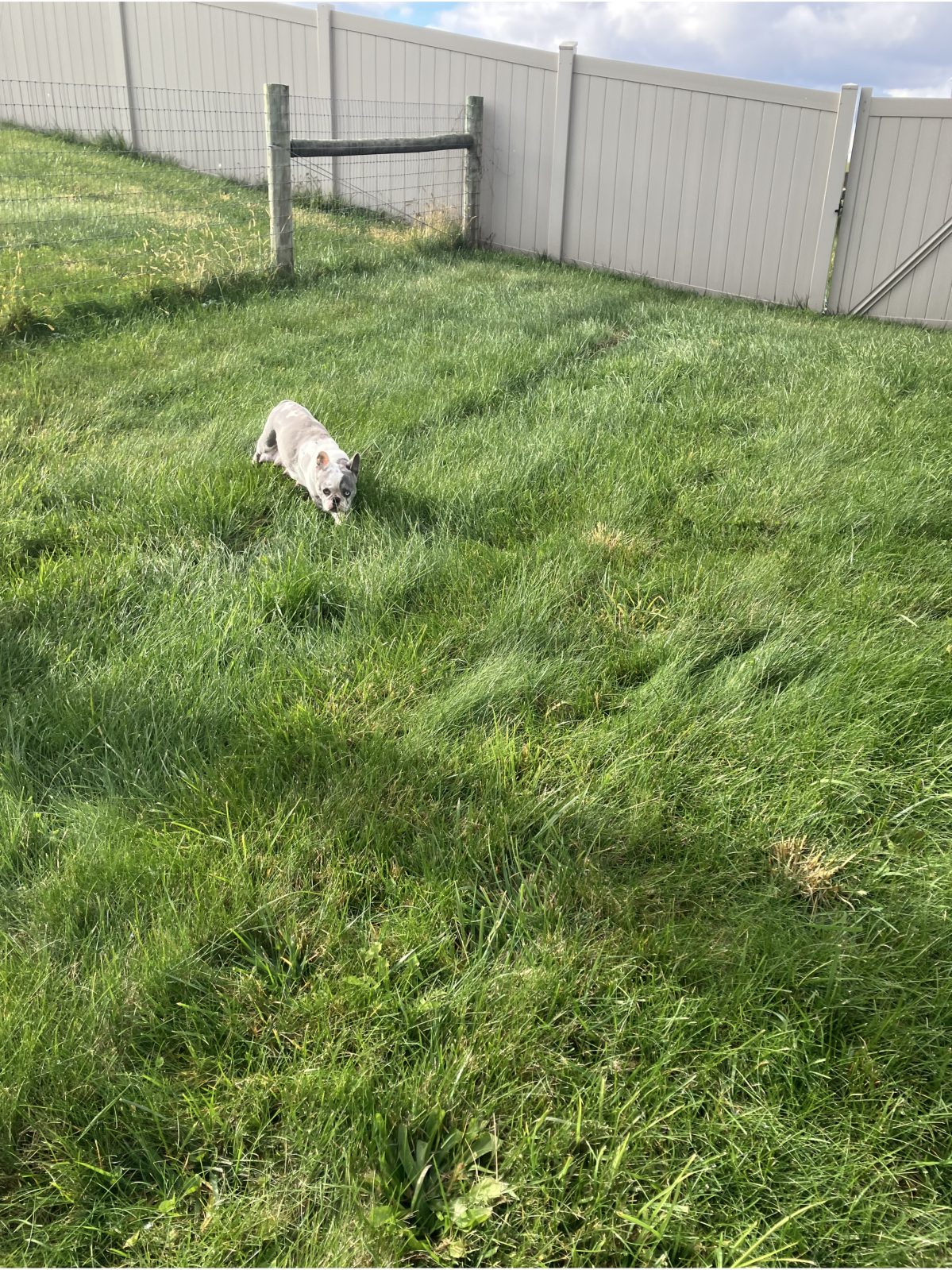
{"v":1,"state":"Ohio","nm":"Reuben M Schlabach – Sharp Run Kennel","hh":[],"hn":[],"hm":"","caps":[],"cv":null,"llc":[],"br":[{"n":"Bernese Mountain Dog","s":"bernese-mountain-dog"},{"n":"Poodle","s":"poodle"}],"ex":[],"lic":[{"n":"OH - CB0004V2","src":"Ohio","st":"","exp":"12/31/2026","k":"","c":1},{"n":"31-A-0122","src":"USDA","st":"","exp":"Cancelled 11/29/2023","k":"","c":9}],"oth":[],"rows":[{"d":"2014-02-25","s":"USDA","k":"","l":"31-A-0122","t":"Routine inspection","n":152,"b":"107 adults · 45 puppies","u":"https://reports.pawthenticity.org/31-A-0122/2-25-2014.pdf","f":[{"h":"White female heavy dental buildup, inflamed gums","tags":[],"q":"Dog with microchip #099\\*334\\*046 (white female) has a moderate to heavy accumulation of brown matter adhered to her teeth. In addition, she had areas where the gum line is red and inflamed. Licensee had noted that her teeth were checked in December. However; they were not marked as being graded and no further action has been taken since December. Dental issues can case several different health issues if left untreated. Licensee must have methods to prevent, control, diagnose and treat dental issues. This dog must be seen by a licensed veterinarian. Documentation of examination, diagnosis and treatment must be maintained by licensee. In addition, the licensee must establish and maintain a program for dental care for the facility. Correct By: 11 Mar 2014"}],"si":1},{"d":"2015-02-26","s":"USDA","k":"","l":"31-A-0122","t":"Routine inspection","n":169,"b":"132 adults · 37 puppies","u":"https://reports.pawthenticity.org/31-A-0122/2-26-2015.pdf","f":[],"si":1},{"d":"2016-03-09","s":"USDA","k":"","l":"31-A-0122","t":"Routine inspection","n":134,"b":"108 adults · 26 puppies","u":"https://reports.pawthenticity.org/31-A-0122/3-9-2016.pdf","f":[],"si":1},{"d":"2016-12-08","s":"USDA","k":"","l":"31-A-0122","t":"Routine inspection","n":139,"b":"110 adults · 29 puppies","u":"https://reports.pawthenticity.org/31-A-0122/12-8-2016.pdf","f":[],"si":1},{"d":"2018-04-03","s":"USDA","k":"","l":"31-A-0122","t":"Routine inspection","n":147,"b":"99 adults · 48 puppies","u":"https://reports.pawthenticity.org/31-A-0122/4-3-2018.pdf","f":[],"si":1},{"d":"2019-02-27","s":"USDA","k":"","l":"31-A-0122","t":"Routine inspection","n":102,"b":"73 adults · 29 puppies","u":"https://reports.pawthenticity.org/31-A-0122/2-27-2019.pdf","f":[],"si":1},{"d":"2020-03-17","s":"USDA","k":"","l":"31-A-0122","t":"Routine inspection","n":120,"b":"66 adults · 54 puppies","u":"https://reports.pawthenticity.org/31-A-0122/3-17-2020.pdf","f":[],"si":1},{"d":"2021-10-05","s":"USDA","k":"","l":"31-A-0122","t":"Routine inspection","n":118,"b":"76 adults · 42 puppies","u":"https://reports.pawthenticity.org/31-A-0122/10-5-2021.pdf","f":[{"h":"Bernese Mountain dogs and poodle inadequate shelter","tags":[],"q":"Two separate outdoor pens were housing 4 large dogs each. One pen contained 4 Bernese Mountain dogs, and the other pen contained 3 Bernese Mountain dogs and 1 Standard sized poodle. Each pen was observed having one small, circular, igloo-like shelter within them that measured approximately 3 feet by 3 feet. The licensee stated these dogs are housed in these pens all the time. There are no other shade structures located within the pens. Animals housed in outdoor facilities that do not have access to shade can be injurious to their health. Animals housed in outdoor pens that do not include shelter with enough space for all animals can lead to health problems and competition among the animals. Ensure one or more shelter structures are accessible to each animal that are large enough to allow each animal in the shelter structure to sit, stand, and lie in a normal manner, and to turn about freely. In addition to the shelter structures, ensure one or more separate outside areas of shade are provided that are large enough to contain all the animals at one time and protect them from the direct rays of the sun. Correct by close of business on October 7th, 2021."},{"h":"Primary enclosures caked with debris","tags":[],"q":"Most of the primary enclosures housing adult dogs had brown, waxy debris mixed with hair built up and caked along the bottom seams of the enclosures. Brown, waxy material was also observed caked on the doggy doors that lead to the outside runs. Accumulations of dirt and debris are hazardous to the health and wellbeing of the animals. Clean primary enclosures as often as necessary to prevent accumulation of dirt, debris, food waste, excreta, and other disease hazards. Correct by close of business on October 19th, 2021."},{"h":"Food receptacles caked with debris","tags":[],"q":"Brown, waxy debris was observed caked onto the bottom of most of the food receptacles within the primary enclosures housing dogs. Accumulations of dirt and debris are hazardous to the health and wellbeing of the animals. Clean food receptacles as often as necessary to prevent an accumulation of dirt, debris, food waste, excreta, and other disease hazards. Correct by close of business on October 19th, 2021."}],"si":1},{"d":"2023-05-01","s":"USDA","k":"","l":"31-A-0122","t":"Routine inspection","n":103,"b":"55 adults · 48 puppies","u":"https://reports.pawthenticity.org/31-A-0122/5-1-2023.pdf","f":[{"h":"Expired medication stored with active drugs","tags":[],"q":"The following medication used to treat the dogs at the facility have gone past its labeled expiration date. The recorded expiration date on one 100 ml bottle of Oxytocin was 3/31/23. This medication is intermingled with other products that are currently being used at the facility and are therefore ready for use. The usage of expired medical materials such as drugs, fluids, or sutures on regulated animals is not considered to be an acceptable veterinary practice and does not constitute adequate veterinary care. The effectiveness of the dosage level and expected results when expired drugs are administrated to animals could be drastically changed or may not work as anticipated. The expected results cannot be guaranteed and the animals may experience pain, distress due to mistreatment, unrelieved symptoms or unexpected side effects. Failure to properly label medications or other medical products as being expired and storing them with unexpired medical materials could lead to the unintentional use on regulated animals. The licensee must either dispose of all such expired medical drugs and materials or segregate them in an appropriately labeled, physically separate location from non- expired medical drugs and materials. Correct by 5/7/23."},{"h":"Fecal residue caked on enclosure floors","tags":[],"q":"The interior metal flooring in two enclosures have an accumulation of excreta and dried fecal residue caked on 40 to 50 percent of the enclosure flooring. Two adult dogs and 10 puppies are in contact with the affected surfaces. Cleaning of surfaces is necessary to prevent an accumulation of dirt, excreta, and other disease hazards. It indicates unsanitary living conditions exist that could increase the risks of disease transmission, which negatively affects the health of the dogs. Accumulations of dried fecal residue and excreta can potentially create odors, serve as an attractant for flies, insects, and other pests. In addition, an accumulation of excreta reduces the clean surface area available for the dogs to walk and rest on. Adequate cleaning is a crucial aspect of animal husbandry and helps to reduce disease hazards, odors and pests. Excreta could potentially cause soiling on the body of the dog in contact with the affected area. The licensee must remove excreta and food waste from the primary enclosure daily and from under the primary enclosures as often as necessary to prevent an excessive accumulation of feces and food waste, to prevent soiling of the dogs contained in the primary enclosures, and to reduce disease hazards, insects, pests, and odors. Correct by 5/3/23."},{"h":"Fecal testing not current for 55 dogs","tags":[],"q":"The last recorded date for fecal float testing for 55 dogs was done on 2/26/22. Annual fecal float testing is important for the health of the animals. Fecal float testing is done to ensure that there are no active internal parasites. The licensee must ensure that all dogs are receiving vaccinations for contagious and/or deadly diseases of dogs (including rabies, parvovirus, and distemper) and sampling and treatment of parasites and other pests (including fleas, worms, coccidia, giardia, and heartworm) in accordance with a schedule approved by the attending veterinarian. Correct by 6/1/23."}],"si":1},{"d":"2025-11-10","s":"Ohio","k":"","l":"OH - CB0004V2","t":"Routine inspection","n":73,"b":"47 adults · 26 puppies","u":"https://reports.pawthenticity.org/oh/CB0004V2/11-10-2025.pdf","f":[],"ph":[["https://reports.pawthenticity.org/photos/ohio/recerDyak293sGouw-1.jpg",2],["https://reports.pawthenticity.org/photos/ohio/recerDyak293sGouw-2.jpg",3],["https://reports.pawthenticity.org/photos/ohio/recerDyak293sGouw-3.jpg",4]]}]}
{"@context":"https://schema.org","@graph":[{"@type":"WebPage","@id":"https://pawthenticity.org/breeders/reuben-m-schlabach-sharp-run-kennel#webpage","url":"https://pawthenticity.org/breeders/reuben-m-schlabach-sharp-run-kennel","name":"Reuben M Schlabach \u2013 Sharp Run Kennel | Pawthenticity","description":"Dog breeder in Millersburg, OH. USDA and state inspectors cited 7 problems across 10 reports. Free to read before you buy a puppy.","inLanguage":"en-US","isPartOf":{"@id":"https://www.pawthenticity.org/#website"},"about":{"@id":"https://pawthenticity.org/breeders/reuben-m-schlabach-sharp-run-kennel#breeder"},"breadcrumb":{"@id":"https://pawthenticity.org/breeders/reuben-m-schlabach-sharp-run-kennel#breadcrumb"},"dateModified":"2025-11-10","image":[{"@type":"ImageObject","@id":"https://pawthenticity.org/breeders/reuben-m-schlabach-sharp-run-kennel#chart","contentUrl":"https://reports.pawthenticity.org/charts/reuben-m-schlabach-sharp-run-kennel-5a5974c375.png","url":"https://reports.pawthenticity.org/charts/reuben-m-schlabach-sharp-run-kennel-5a5974c375.png","width":1200,"height":630,"caption":"Dogs counted at each inspection of Reuben M Schlabach \u2013 Sharp Run Kennel","creator":{"@type":"Organization","@id":"https://www.pawthenticity.org/#organization","name":"Pawthenticity","url":"https://pawthenticity.org/"},"creditText":"Pawthenticity"},{"@type":"ImageObject","@id":"https://pawthenticity.org/breeders/reuben-m-schlabach-sharp-run-kennel#table","contentUrl":"https://reports.pawthenticity.org/tables/reuben-m-schlabach-sharp-run-kennel-e2a82478bb.png","url":"https://reports.pawthenticity.org/tables/reuben-m-schlabach-sharp-run-kennel-e2a82478bb.png","width":1200,"height":630,"caption":"The most recent inspections of Reuben M Schlabach \u2013 Sharp Run Kennel, with what the inspector wrote","creator":{"@type":"Organization","@id":"https://www.pawthenticity.org/#organization","name":"Pawthenticity","url":"https://pawthenticity.org/"},"creditText":"Pawthenticity"},{"@type":"ImageObject","@id":"https://pawthenticity.org/breeders/reuben-m-schlabach-sharp-run-kennel#breeds","contentUrl":"https://reports.pawthenticity.org/breeds/reuben-m-schlabach-sharp-run-kennel-5ef8fd8f7b.png","url":"https://reports.pawthenticity.org/breeds/reuben-m-schlabach-sharp-run-kennel-5ef8fd8f7b.png","width":1200,"height":630,"caption":"Breeds named in the public inspection records of Reuben M Schlabach \u2013 Sharp Run Kennel","creator":{"@type":"Organization","@id":"https://www.pawthenticity.org/#organization","name":"Pawthenticity","url":"https://pawthenticity.org/"},"creditText":"Pawthenticity"},{"@type":"ImageObject","contentUrl":"https://reports.pawthenticity.org/photos/ohio/recerDyak293sGouw-1.jpg","url":"https://reports.pawthenticity.org/photos/ohio/recerDyak293sGouw-1.jpg","caption":"Kennel photo from the Ohio inspection report of November 10, 2025, Reuben M Schlabach \u2013 Sharp Run Kennel","creditText":"Ohio Department of Agriculture","creator":{"@type":"Organization","name":"Ohio Department of Agriculture"}},{"@type":"ImageObject","contentUrl":"https://reports.pawthenticity.org/photos/ohio/recerDyak293sGouw-2.jpg","url":"https://reports.pawthenticity.org/photos/ohio/recerDyak293sGouw-2.jpg","caption":"Kennel photo from the Ohio inspection report of November 10, 2025, Reuben M Schlabach \u2013 Sharp Run Kennel","creditText":"Ohio Department of Agriculture","creator":{"@type":"Organization","name":"Ohio Department of Agriculture"}},{"@type":"ImageObject","contentUrl":"https://reports.pawthenticity.org/photos/ohio/recerDyak293sGouw-3.jpg","url":"https://reports.pawthenticity.org/photos/ohio/recerDyak293sGouw-3.jpg","caption":"Kennel photo from the Ohio inspection report of November 10, 2025, Reuben M Schlabach \u2013 Sharp Run Kennel","creditText":"Ohio Department of Agriculture","creator":{"@type":"Organization","name":"Ohio Department of Agriculture"}}],"primaryImageOfPage":{"@id":"https://pawthenticity.org/breeders/reuben-m-schlabach-sharp-run-kennel#chart"}},{"@type":"BreadcrumbList","@id":"https://pawthenticity.org/breeders/reuben-m-schlabach-sharp-run-kennel#breadcrumb","itemListElement":[{"@type":"ListItem","position":1,"name":"Home","item":"https://pawthenticity.org/"},{"@type":"ListItem","position":2,"name":"Breeder Database","item":"https://pawthenticity.org/breeders"},{"@type":"ListItem","position":3,"name":"Ohio","item":"https://pawthenticity.org/states/ohio"},{"@type":"ListItem","position":4,"name":"Reuben M Schlabach \u2013 Sharp Run Kennel","item":"https://pawthenticity.org/breeders/reuben-m-schlabach-sharp-run-kennel"}]},{"@type":"LocalBusiness","@id":"https://pawthenticity.org/breeders/reuben-m-schlabach-sharp-run-kennel#breeder","name":"Reuben M Schlabach \u2013 Sharp Run Kennel","url":"https://pawthenticity.org/breeders/reuben-m-schlabach-sharp-run-kennel","address":{"@type":"PostalAddress","addressLocality":"Millersburg","addressRegion":"OH","addressCountry":"US"},"description":"Dog breeder (Bernese Mountain Dog, Poodle) in Millersburg, OH.","identifier":[{"@type":"PropertyValue","propertyID":"Ohio kennel license","value":"OH - CB0004V2"},{"@type":"PropertyValue","propertyID":"USDA APHIS license","value":"31-A-0122"}],"subjectOf":{"@id":"https://pawthenticity.org/breeders/reuben-m-schlabach-sharp-run-kennel#inspections"}},{"@type":"Dataset","@id":"https://pawthenticity.org/breeders/reuben-m-schlabach-sharp-run-kennel#inspections","url":"https://pawthenticity.org/breeders/reuben-m-schlabach-sharp-run-kennel","name":"Reuben M Schlabach \u2013 Sharp Run Kennel: kennel inspection records","description":"Reuben M Schlabach \u2013 Sharp Run Kennel is linked to 10 public inspection reports from USDA and Ohio. The records run from February 25, 2014 to November 10, 2025 and include the number of dogs counted at each visit and every problem the inspectors cited, with a link to each original report.","creator":[{"@type":"Organization","name":"USDA Animal and Plant Health Inspection Service","url":"https://www.aphis.usda.gov/"},{"@type":"Organization","name":"Ohio Department of Agriculture"}],"publisher":{"@type":"Organization","@id":"https://www.pawthenticity.org/#organization","name":"Pawthenticity","url":"https://pawthenticity.org/"},"isAccessibleForFree":true,"inLanguage":"en-US","temporalCoverage":"2014-02-25/2025-11-10","dateModified":"2025-11-10","spatialCoverage":{"@type":"Place","address":{"@type":"PostalAddress","addressLocality":"Millersburg","addressRegion":"OH","addressCountry":"US"}},"about":{"@id":"https://pawthenticity.org/breeders/reuben-m-schlabach-sharp-run-kennel#breeder"},"keywords":["dog breeder inspections","USDA inspection reports","puppy mill","Reuben M Schlabach \u2013 Sharp Run Kennel","Ohio"],"variableMeasured":["Dogs counted at inspection","Adult dogs","Puppies","Problems cited by inspectors"],"distribution":[{"@type":"DataDownload","encodingFormat":"text/csv","contentUrl":"https://reports.pawthenticity.org/data/breeders/reuben-m-schlabach-sharp-run-kennel.csv","name":"Reuben M Schlabach \u2013 Sharp Run Kennel: inspection dates, dog counts and citation counts (CSV)"},{"@type":"DataDownload","encodingFormat":"application/pdf","contentUrl":"https://reports.pawthenticity.org/31-A-0122/2-25-2014.pdf","name":"USDA routine inspection report, February 25, 2014"},{"@type":"DataDownload","encodingFormat":"application/pdf","contentUrl":"https://reports.pawthenticity.org/31-A-0122/2-26-2015.pdf","name":"USDA routine inspection report, February 26, 2015"},{"@type":"DataDownload","encodingFormat":"application/pdf","contentUrl":"https://reports.pawthenticity.org/31-A-0122/3-9-2016.pdf","name":"USDA routine inspection report, March 9, 2016"},{"@type":"DataDownload","encodingFormat":"application/pdf","contentUrl":"https://reports.pawthenticity.org/31-A-0122/12-8-2016.pdf","name":"USDA routine inspection report, December 8, 2016"},{"@type":"DataDownload","encodingFormat":"application/pdf","contentUrl":"https://reports.pawthenticity.org/31-A-0122/4-3-2018.pdf","name":"USDA routine inspection report, April 3, 2018"},{"@type":"DataDownload","encodingFormat":"application/pdf","contentUrl":"https://reports.pawthenticity.org/31-A-0122/2-27-2019.pdf","name":"USDA routine inspection report, February 27, 2019"},{"@type":"DataDownload","encodingFormat":"application/pdf","contentUrl":"https://reports.pawthenticity.org/31-A-0122/3-17-2020.pdf","name":"USDA routine inspection report, March 17, 2020"},{"@type":"DataDownload","encodingFormat":"application/pdf","contentUrl":"https://reports.pawthenticity.org/31-A-0122/10-5-2021.pdf","name":"USDA routine inspection report, October 5, 2021"},{"@type":"DataDownload","encodingFormat":"application/pdf","contentUrl":"https://reports.pawthenticity.org/31-A-0122/5-1-2023.pdf","name":"USDA routine inspection report, May 1, 2023"},{"@type":"DataDownload","encodingFormat":"application/pdf","contentUrl":"https://reports.pawthenticity.org/oh/CB0004V2/11-10-2025.pdf","name":"Ohio routine inspection report, November 10, 2025"}]}]}
Inspection Report Details
DateSourceTotal DogsNotesReport
All inspections and findings in full
Reuben M Schlabach – Sharp Run Kennel is linked to 10 public inspection reports, carrying 7 inspector findings, from February 2014 to November 2025.
Across 10 inspections between February 2014 and November 2025, inspectors recorded between 73 dogs and 169 dogs at Reuben M Schlabach – Sharp Run Kennel. The most recent count was 73 dogs on November 10, 2025.
Every public inspection on file, oldest first
Date
Licence
Type
Dogs counted
Inspector findings
February 25, 2014
USDA 31-A-0122
Routine inspection
152 dogs
1 finding
February 26, 2015
USDA 31-A-0122
Routine inspection
169 dogs
None
March 9, 2016
USDA 31-A-0122
Routine inspection
134 dogs
None
December 8, 2016
USDA 31-A-0122
Routine inspection
139 dogs
None
April 3, 2018
USDA 31-A-0122
Routine inspection
147 dogs
None
February 27, 2019
USDA 31-A-0122
Routine inspection
102 dogs
None
March 17, 2020
USDA 31-A-0122
Routine inspection
120 dogs
None
October 5, 2021
USDA 31-A-0122
Routine inspection
118 dogs
3 findings
May 1, 2023
USDA 31-A-0122
Routine inspection
103 dogs
3 findings
November 10, 2025
Ohio CB0004V2
Routine inspection
73 dogs
None
What inspectors wrote
February 25, 2014 — Routine inspection, USDA 31-A-0122
152 dogs recorded (107 adults · 45 puppies).
White female heavy dental buildup, inflamed gums
Dog with microchip #099*334*046 (white female) has a moderate to heavy accumulation of brown matter adhered to her teeth. In addition, she had areas where the gum line is red and inflamed. Licensee had noted that her teeth were checked in December. However; they were not marked as being graded and no further action has been taken since December. Dental issues can case several different health issues if left untreated. Licensee must have methods to prevent, control, diagnose and treat dental issues. This dog must be seen by a licensed veterinarian. Documentation of examination, diagnosis and treatment must be maintained by licensee. In addition, the licensee must establish and maintain a program for dental care for the facility. Correct By: 11 Mar 2014
October 5, 2021 — Routine inspection, USDA 31-A-0122
118 dogs recorded (76 adults · 42 puppies).
Bernese Mountain dogs and poodle inadequate shelter
Two separate outdoor pens were housing 4 large dogs each. One pen contained 4 Bernese Mountain dogs, and the other pen contained 3 Bernese Mountain dogs and 1 Standard sized poodle. Each pen was observed having one small, circular, igloo-like shelter within them that measured approximately 3 feet by 3 feet. The licensee stated these dogs are housed in these pens all the time. There are no other shade structures located within the pens. Animals housed in outdoor facilities that do not have access to shade can be injurious to their health. Animals housed in outdoor pens that do not include shelter with enough space for all animals can lead to health problems and competition among the animals. Ensure one or more shelter structures are accessible to each animal that are large enough to allow each animal in the shelter structure to sit, stand, and lie in a normal manner, and to turn about freely. In addition to the shelter structures, ensure one or more separate outside areas of shade are provided that are large enough to contain all the animals at one time and protect them from the direct rays of the sun. Correct by close of business on October 7th, 2021.
Primary enclosures caked with debris
Most of the primary enclosures housing adult dogs had brown, waxy debris mixed with hair built up and caked along the bottom seams of the enclosures. Brown, waxy material was also observed caked on the doggy doors that lead to the outside runs. Accumulations of dirt and debris are hazardous to the health and wellbeing of the animals. Clean primary enclosures as often as necessary to prevent accumulation of dirt, debris, food waste, excreta, and other disease hazards. Correct by close of business on October 19th, 2021.
Food receptacles caked with debris
Brown, waxy debris was observed caked onto the bottom of most of the food receptacles within the primary enclosures housing dogs. Accumulations of dirt and debris are hazardous to the health and wellbeing of the animals. Clean food receptacles as often as necessary to prevent an accumulation of dirt, debris, food waste, excreta, and other disease hazards. Correct by close of business on October 19th, 2021.
The following medication used to treat the dogs at the facility have gone past its labeled expiration date. The recorded expiration date on one 100 ml bottle of Oxytocin was 3/31/23. This medication is intermingled with other products that are currently being used at the facility and are therefore ready for use. The usage of expired medical materials such as drugs, fluids, or sutures on regulated animals is not considered to be an acceptable veterinary practice and does not constitute adequate veterinary care. The effectiveness of the dosage level and expected results when expired drugs are administrated to animals could be drastically changed or may not work as anticipated. The expected results cannot be guaranteed and the animals may experience pain, distress due to mistreatment, unrelieved symptoms or unexpected side effects. Failure to properly label medications or other medical products as being expired and storing them with unexpired medical materials could lead to the unintentional use on regulated animals. The licensee must either dispose of all such expired medical drugs and materials or segregate them in an appropriately labeled, physically separate location from non- expired medical drugs and materials. Correct by 5/7/23.
Fecal residue caked on enclosure floors
The interior metal flooring in two enclosures have an accumulation of excreta and dried fecal residue caked on 40 to 50 percent of the enclosure flooring. Two adult dogs and 10 puppies are in contact with the affected surfaces. Cleaning of surfaces is necessary to prevent an accumulation of dirt, excreta, and other disease hazards. It indicates unsanitary living conditions exist that could increase the risks of disease transmission, which negatively affects the health of the dogs. Accumulations of dried fecal residue and excreta can potentially create odors, serve as an attractant for flies, insects, and other pests. In addition, an accumulation of excreta reduces the clean surface area available for the dogs to walk and rest on. Adequate cleaning is a crucial aspect of animal husbandry and helps to reduce disease hazards, odors and pests. Excreta could potentially cause soiling on the body of the dog in contact with the affected area. The licensee must remove excreta and food waste from the primary enclosure daily and from under the primary enclosures as often as necessary to prevent an excessive accumulation of feces and food waste, to prevent soiling of the dogs contained in the primary enclosures, and to reduce disease hazards, insects, pests, and odors. Correct by 5/3/23.
Fecal testing not current for 55 dogs
The last recorded date for fecal float testing for 55 dogs was done on 2/26/22. Annual fecal float testing is important for the health of the animals. Fecal float testing is done to ensure that there are no active internal parasites. The licensee must ensure that all dogs are receiving vaccinations for contagious and/or deadly diseases of dogs (including rabies, parvovirus, and distemper) and sampling and treatment of parasites and other pests (including fleas, worms, coccidia, giardia, and heartworm) in accordance with a schedule approved by the attending veterinarian. Correct by 6/1/23.
Has Reuben M Schlabach – Sharp Run Kennel been cited by inspectors?
Yes. Inspectors recorded 7 problems across 10 visits. Each one is quoted in full above, in the inspector's own words.
How many dogs does Reuben M Schlabach – Sharp Run Kennel keep?
At the most recent inspection on file, November 10, 2025, inspectors counted 73 dogs (47 adults · 26 puppies). The count is taken by the inspector on the day, so it moves with litters and sales.
What breeds does Reuben M Schlabach – Sharp Run Kennel raise?
The records name Bernese Mountain Dog, Poodle. Breeds come from the inspection paperwork, so a kennel may keep others that were never written down.
What licences does Reuben M Schlabach – Sharp Run Kennel hold?
Ohio licence CB0004V2 — expires 12/31/2026
USDA licence 31-A-0122 — Cancelled 11/29/2023
About these records
This profile includes public USDA and Ohio inspection and licensing records. Notes describe conditions documented on the inspection dates shown.
Report an issue
If information is inaccurate or out of date, please let us know.
We collect and organize public records from government sources, including USDA APHIS and state departments of agriculture. We do not conduct our own inspections.